Register
Αλλαγή στα ελληνικά

Committees and mentors

Meet the members of the BIOHackathon Organising Committee, Scientific Committee and Jury, and the mentors who guide the teams.

Committees

The people behind the hackathon

Three committees, with members from regional government, research centres and universities, plan the event, shape its scientific framework and evaluate the teams’ solutions.

Organising Committee

Plans and coordinates the hackathon: registrations, team–mentor matching and the final event.

  • 7 members
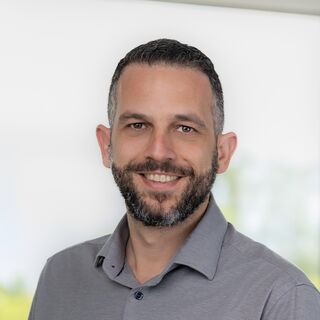
  • Portrait of Nikolaos Tzollas

    Nikolaos Tzollas

    Deputy Regional Governor for Digital Governance

    Region of Central Macedonia
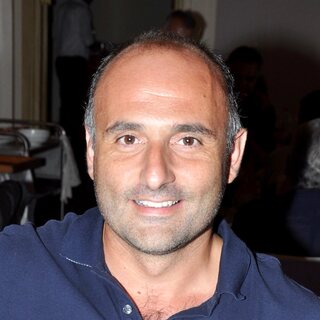
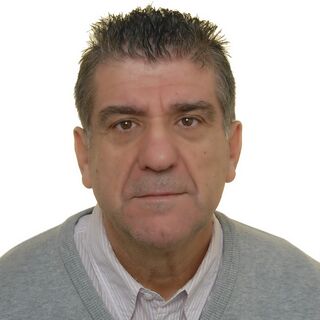
  • Portrait of Michalis Aivaliotis

    Michalis Aivaliotis

    Professor of Biochemistry – Head of the Functional Proteomics and Systems Biology Research Group (FunPATh)

    School of Medicine, Aristotle University of Thessaloniki (AUTh)

    Bio: Michalis Aivaliotis
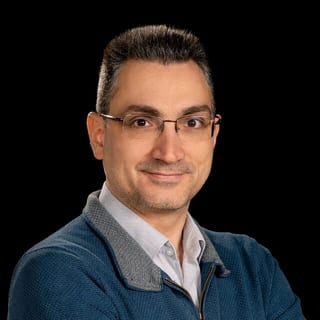
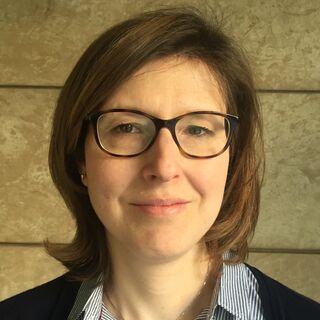
  • Portrait of Fotis Psomopoulos

    Fotis Psomopoulos

    Researcher (Grade B)

    Institute of Applied Biosciences (INAB), Centre for Research and Technology Hellas (CERTH)

    Bio: Fotis Psomopoulos
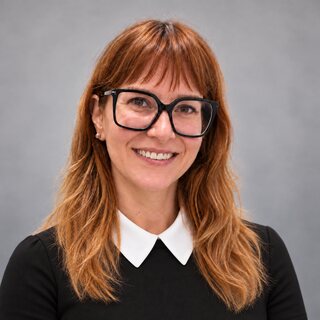
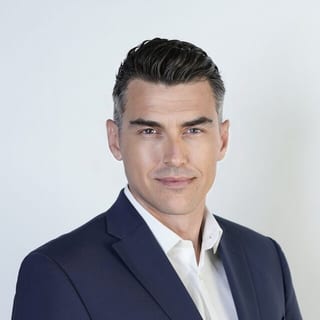
  • Portrait of Theodora Katsila

    Theodora Katsila

    Researcher (Grade B), Head of the PLEION Laboratory

    Institute of Chemical Biology, National Hellenic Research Foundation (NHRF)

    Bio: Theodora Katsila
  • Stylianos Bourboulias

    Office of the Deputy Regional Governor for Digital Governance

    Region of Central Macedonia

  • Portrait of Konstantinos Kechagias

    Konstantinos Kechagias

    External Researcher · Doctoral candidate · Google Developer Expert (AI) & Innovation Champion

    Athena Research Center · National and Kapodistrian University of Athens (NKUA)

    Bio: Konstantinos Kechagias
  • Chrysa Petala

    Programme Development & Innovation Officer

    WALK – AUTh Center for Entrepreneurship and Innovation

Mentors

Scientists and experts at your side

Every mentor supports teams online, on the scientific or the technical side of the challenge — or both.

Meet the mentors

Showing 27 mentors The list is growing all the time

The Organising Committee matches each team with one scientific and one technical mentor, taking the team’s preferences, if any, into account, to avoid overlaps.

Availability: the days and times a mentor can support teams online, the platform (e.g. Zoom, Google Meet, MS Teams) and the maximum number of teams they can take on.

Scientific mentor
Biology, chemistry, biochemistry, medicine, bioinformatics, computational biology or a related field.
Technical mentor
Hands-on experience with computational biology tools such as AlphaFold: preparing input data, reading the outputs and assessing the predictions.
Dual expertise
Mentors who cover both sides: the scientific question and the hands-on use of the tools.

Mentors with dual expertise appear under both categories. Those who have not declared a category appear only under “All”.

  • Portrait of Michalis Aivaliotis

    Michalis Aivaliotis

    Dual expertise

    Professor of Biochemistry – Head of the Functional Proteomics and Systems Biology Research Group (FunPATh)

    School of Medicine, Aristotle University of Thessaloniki (AUTh)

    • Health

    Functional proteomics, systems biology and the application of AlphaFold in research and education.

    • Proteomics
    • Systems biology
    • Bioinformatics
    • AlphaFold
    • Biochemistry
    • Proteoforms
    • Drug repurposing

    Availability: Online · Daily, by arrangement
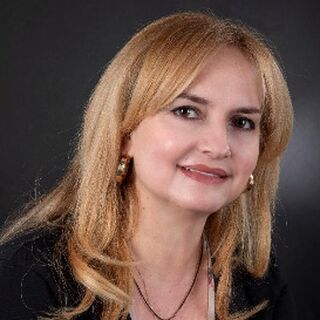
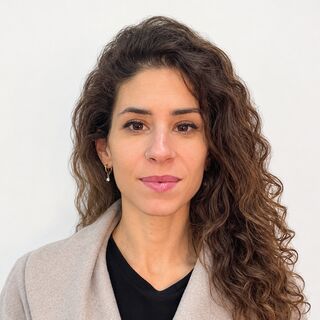
  • Portrait of Maria Chatzidimitriou

    Maria Chatzidimitriou

    Professor of Medical Biopathology – Microbiology – Immunology

    Department of Biomedical Sciences, School of Health Sciences, International Hellenic University (IHU)

    Mechanisms of antimicrobial resistance; surveillance and genomic analysis of resistant Enterobacterales strains in Greece; genetic testing of the microbiome.
    • Antimicrobial resistance
    • Enterobacterales
    • Microbiome
    • Next-generation sequencing (NGS)
  • Portrait of Maria Deligianni

    Maria Deligianni

    Dual expertise

    Scientific Software Engineer

    Pfizer

    Protein design, drug design.

    • Protein design
    • Structure prediction tools
    • Artificial intelligence
    • Chemistry
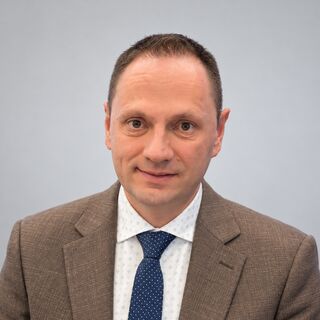
  • Portrait of Phaedra Eleftheriou

    Phaedra Eleftheriou

    Dual expertise

    Professor of Clinical Chemistry – Biochemistry

    Department of Biomedical Sciences, International Hellenic University (IHU)

    • Health
    • Food
    • Livestock

    Study of enzymes and development of enzyme inhibitors of pharmaceutical interest; bioinformatics and docking applications for predicting enzyme inhibition.
    • Enzymes
    • Enzyme inhibitors
    • Bioinformatics applications
    • 3D structure
    • Docking
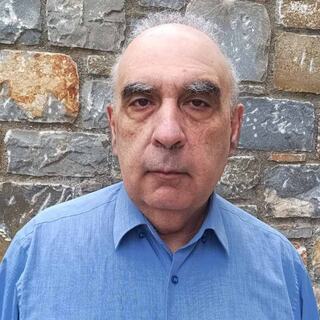
  • Portrait of Sotiris Evgenidis

    Sotiris Evgenidis

    Dual expertise

    Assistant Professor

    School of Chemistry, Aristotle University of Thessaloniki (AUTh)

    Experimental and theoretical study and computational simulation of multiphase systems; advanced measurement techniques; non-invasive diagnostic methods for assessing vascular function.
    • Multiphase systems
    • Advanced measurement techniques
    • Transport phenomena
    • Innovative surfaces
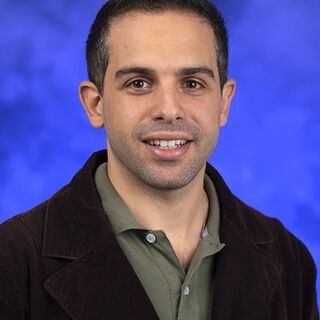
  • Portrait of Georgios Fanourgakis

    Georgios Fanourgakis

    Dual expertise

    Assistant Professor of Computational and Quantum Chemistry

    School of Chemistry, Aristotle University of Thessaloniki (AUTh)

    Physical chemistry through the development of computational methodologies and code.
    • Method development
    • Molecular simulations
    • Machine learning
    • AlphaFold
    • Computational chemistry
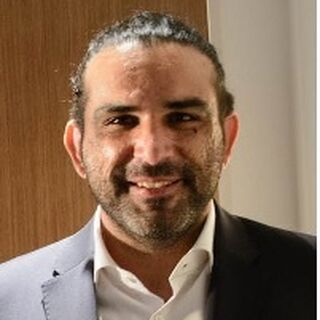
  • Portrait of Ilias Georgakopoulos-Soares

    Ilias Georgakopoulos-Soares

    Dual expertise

    Assistant Professor

    The University of Texas at Austin (UT Austin)

    Artificial intelligence, machine learning, bioinformatics, genomics, computational biology, biotechnology.
    • Artificial intelligence
    • Machine learning
    • Bioinformatics
    • Genomics
    • Biotechnology
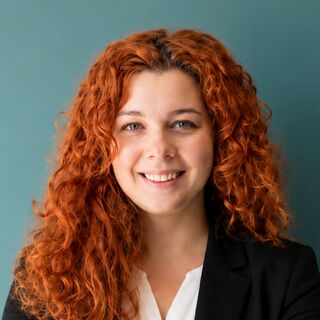
  • Portrait of Petros Gkizis

    Petros Gkizis

    Scientific mentor

    Assistant Professor of Organic Chemistry

    School of Chemistry, Aristotle University of Thessaloniki (AUTh)

    • Health

    Organic chemistry – medicinal chemistry.
    • Organic synthesis
    • Photochemistry
    • Photocatalysis
    • Synthesis of pharmaceutical compounds
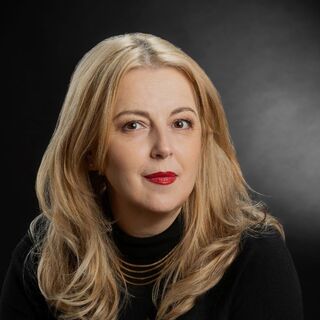
  • Portrait of Anastasia Iatrou

    Anastasia Iatrou

    Scientific mentor

    Molecular Biologist, Postdoctoral Researcher

    Institute of Applied Biosciences (INAB), Centre for Research and Technology Hellas (CERTH)

    Molecular and functional study of B-cell malignancies.
    • Molecular haematology
    • B-cell immunology
    • NGS
    • Precision medicine
  • Portrait of Mary Kalamaki

    Mary Kalamaki

    Scientific mentor

    Associate Professor of Chemistry – Biotechnology, Biology Programme Coordinator

    Anatolia American University, School of Science and Technology

    Agricultural biotechnology, food safety and microbiology, industrial microbiology, molecular biology and next-generation sequencing (NGS), public health.

    • Biotechnology
    • Food safety
    • Microbiology
    • Next-generation sequencing
    • Public health
  • Portrait of Christina Katsagoni

    Christina Katsagoni

    Scientific mentor

    Assistant Professor of Clinical Nutrition in Children and Adolescents

    Department of Nutritional Sciences and Dietetics, International Hellenic University (IHU)

    Clinical nutrition in children and adolescents, paediatric oncology and gastroenterology, nutritional assessment and precision nutrition.

    • Clinical nutrition
    • Child nutrition
    • Paediatric oncology
    • Nutritional assessment
    • Paediatric gastroenterology
    • Nutritional intervention
  • Portrait of Theodora Katsila

    Theodora Katsila

    Dual expertise

    Researcher (Grade B), Head of the PLEION Laboratory

    Institute of Chemical Biology, National Hellenic Research Foundation (NHRF)

    • Health

    Biochemistry and technical AlphaFold mentoring.

    • Proteoforms
    • Biomarkers
    • Drug repurposing
    • Biochemistry
    • AlphaFold
  • Portrait of Konstantinos Kechagias

    Konstantinos Kechagias

    Technical mentor

    External Researcher · Doctoral candidate · Google Developer Expert (AI) & Innovation Champion

    Athena Research Center · National and Kapodistrian University of Athens (NKUA)

    • Informatics

    Artificial intelligence and machine learning; software development technologies; hands-on use of AlphaFold.

    • AlphaFold
    • Artificial intelligence
    • Machine learning
    • Software development
    • Open science

    Availability: Online · No fixed hours; coordination through the Discord server shared by all teams and mentors
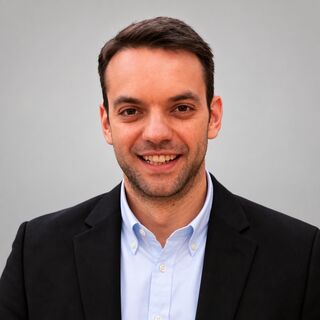
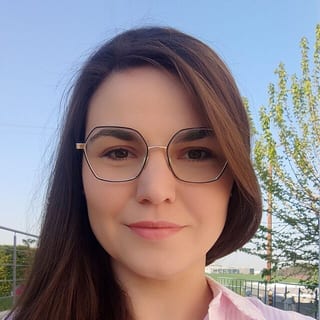
  • Portrait of Grigorios Koulouras

    Grigorios Koulouras

    Dual expertise

    Scientific Solutions & Data Science Lead

    Pfizer

    Bioinformatics/computational biology, analysis of biological/biomedical data, proteomics, development of scientific applications.
    • Bioinformatics
    • Data science & AI
    • Data engineering
    • Scientific digital solutions
    • Real-world evidence
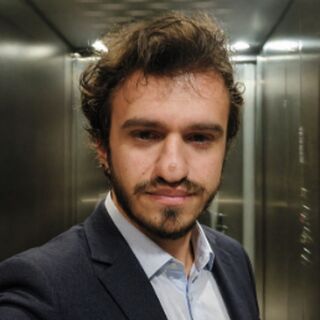
  • Portrait of Stamatia Laidou

    Stamatia Laidou

    Biologist – Laboratory Geneticist, Researcher (Grade C)

    Institute of Applied Biosciences (INAB), Centre for Research and Technology Hellas (CERTH)

    • Health

    Precision medicine, cancer biomarkers and NGS analyses.
    • Genomics
    • NGS
    • Precision medicine
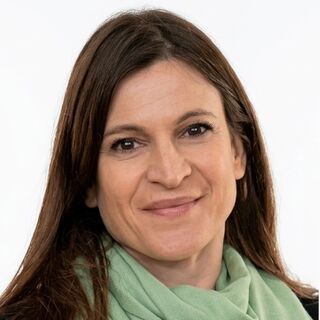
  • Portrait of George Leonidis

    George Leonidis

    Scientific mentor

    Adjunct Professor – Biological Sciences

    Anatolia American University

    • Health

    Medicinal chemistry and the design of bioactive molecules, antimicrobial compound discovery, molecular docking and chemoinformatics, LC–MS/MS and proteomics.
    • Medicinal chemistry
    • Antimicrobial drug discovery
    • Molecular docking
    • Chemoinformatics
    • Proteomics
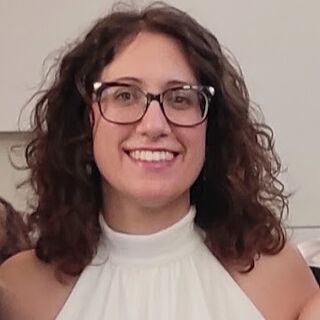
  • Portrait of Andigoni Malousi

    Andigoni Malousi

    Scientific mentor

    Assistant Professor of Biochemistry

    School of Medicine, Aristotle University of Thessaloniki (AUTh)

    • Health

    Computational methodologies, machine-learning algorithms and multi-omics data analysis workflows for precision medicine.

    • Bioinformatics
    • Computational biochemistry
    • Machine learning

    Availability: Online · Wednesday and Friday, 10:00–18:00
  • Portrait of Aegli Mantsou

    Aegli Mantsou

    Scientific mentor

    Biochemistry Instructor and laboratory assistant

    Anatolia American University

    Biochemistry, molecular biology, cell differentiation and tissue regeneration, microbiology, biotechnology.

    • Genetic engineering
    • Biomaterials
    • Tissue regeneration
    • Cell differentiation
  • Portrait of Minos Matsoukas

    Minos Matsoukas

    Scientific mentor

    Associate Professor

    Computational Chemistry Laboratory, Department of Biomedical Engineering, University of West Attica (UNIWA)

    • Health

    Computational chemistry/biology.

    • Structure-based drug design
    • Molecular dynamics
    • Transmembrane receptors
    • Oncology targets
  • Portrait of Rigini Papi

    Rigini Papi

    Scientific mentor

    Assistant Professor of Biochemistry

    School of Chemistry, Aristotle University of Thessaloniki (AUTh)

    • Health

    Organic chemistry and biochemistry.

    • Biochemistry
    • Enzymology
    • Biotechnology
    • Bioinformatics
  • Portrait of Eleni Pontiki

    Eleni Pontiki

    Scientific mentor

    Associate Professor, Laboratory of Pharmaceutical Chemistry

    School of Pharmacy, Aristotle University of Thessaloniki (AUTh)

    Design and synthesis of novel small molecules with potential biological activities; computational virtual screening and docking studies.

    • Medicinal chemistry
    • Drug design
    • Synthesis of biologically active molecules
    • Biological evaluation (antioxidants, anti-inflammatories)
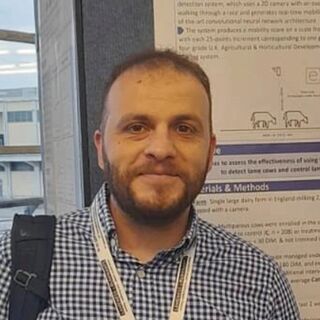
  • Portrait of Fotis Psomopoulos

    Fotis Psomopoulos

    Dual expertise

    Researcher (Grade B)

    Institute of Applied Biosciences (INAB), Centre for Research and Technology Hellas (CERTH)

    • Health
    • Informatics

    Bioinformatics and hands-on AlphaFold experience.
    • Bioinformatics
    • Machine learning
    • Data mining
    • Open science
    • AlphaFold
  • Portrait of Nektarios Siachos

    Nektarios Siachos

    Scientific mentor

    Veterinarian, Assistant Professor of Ruminant Husbandry

    Department of Agriculture, School of Geotechnical Sciences, International Hellenic University (IHU)

    • Livestock

    Ruminant husbandry, nutrition, health and welfare; precision livestock farming and digital monitoring systems; design of experiments and field studies.
    • Welfare
    • Nutrition
    • Precision livestock farming
    • Ruminants
    • Health
  • Portrait of Michalis Terzidis

    Michalis Terzidis

    Scientific mentor

    Associate Professor

    Laboratory of Chemical Biology, Department of Nutritional Sciences and Dietetics, International Hellenic University (IHU)

    • Food

    Organic chemistry, the synthesis and study of bioactive molecules, mechanisms related to biology, nutrition and health.
    • Biomolecular chemistry
    • Biomarkers
    • DNA damage
    • Biocatalysis
  • Portrait of Zisis Tzikas

    Zisis Tzikas

    Scientific mentor

    Veterinarian, Assistant Professor of Quality and Safety of Foods of Animal Origin

    Department of Agriculture, School of Geotechnical Sciences, International Hellenic University (IHU)

    • Livestock

    Quality control, safety, and quality and safety management systems for foods of animal origin.

    • Foods of animal origin
    • Quality
    • Safety
    • Control
    • Management systems
  • Portrait of Georgios Tzimagiorgis

    Georgios Tzimagiorgis

    Scientific mentor

    Professor of Biochemistry, Director of the Laboratory of Biological Chemistry

    School of Medicine, Aristotle University of Thessaloniki (AUTh)

    • Health

    Biochemistry, genomics, epigenetics, oncology, molecular biology.
    • Gene expression and regulation
    • Genomics/Epigenomics
    • Molecular cancer biology
    • Translational research
  • Portrait of Panagiotis Zoumpoulakis

    Panagiotis Zoumpoulakis

    Scientific mentor

    Professor

    Department of Food Science and Technology, University of West Attica (UNIWA)

    Instrumental chemical analysis and computational chemistry.

    • Bioactive compounds
    • Dietary supplements
    • Metabolomics
    • Biomarkers

Become a mentor

Experienced in biology, chemistry, bioinformatics or hands-on work with computational biology tools? Mentor one or more teams online and help them turn an idea into a well-founded solution.

Portrait of Michalis Aivaliotis

Michalis Aivaliotis

Professor of Biochemistry – Head of the Functional Proteomics and Systems Biology Research Group (FunPATh)

School of Medicine, Aristotle University of Thessaloniki (AUTh)

Role in the event

  • Mentor · Dual expertise
  • Organising Committee
  • Scientific Committee
  • Jury

Thematic area

  • Health

Expertise

Functional proteomics, systems biology and the application of AlphaFold in research and education.

  • Proteomics
  • Systems biology
  • Bioinformatics
  • AlphaFold
  • Biochemistry
  • Proteoforms
  • Drug repurposing

Short bio

Michalis Aivaliotis is a Professor of Biochemistry at the Laboratory of Biological Chemistry of the School of Medicine, Aristotle University of Thessaloniki (AUTh). In September 2018 he founded, and has since coordinated, the Functional Proteomics and Systems Biology research group (FunPATh) at the Center for Interdisciplinary Research and Innovation of AUTh (CIRI-AUTH). Since October 2020 he has been a founding member of the coordinating committee of the Inter-Departmental Postgraduate Programme “Precision Medicine: Translational Research and Therapeutics” and a member of the coordinating committee of the English-language Undergraduate Programme of the School of Medicine of AUTh. His group’s research focuses on the study of functional protein networks in complex biological systems. Using integrated Systems Biology approaches, mass spectrometry, bioinformatics and other -omics technologies, it aims to understand the relationship between the structure/function of proteins and pathological phenotypes, for better prevention, diagnosis and treatment of complex diseases such as cancer, chronic kidney disease and neurodegenerative disorders. In this context, he has been actively involved in the application of AlphaFold, integrating modern computational tools for protein structure prediction both into the research process and into the training of young scientists. He is an active member of scientific societies and organisations, including the Human Proteome Organization (HUPO), the European Proteomics Association (EuPA) and the Federation of European Biochemical Societies (FEBS). Since 2024 he has been an elected member of the coordinating committee of the Hellenic Society for Biochemistry and Molecular Biology (HSBMB), and he is an active member of the EuPA Education Committee. In addition, since 2026 he has been a member of the Sectoral Scientific Council for Critical Emerging Technologies (Bio, Quantum & Space Tech) and Research Infrastructures.

Portrait of Maria Chatzidimitriou

Maria Chatzidimitriou

Professor of Medical Biopathology – Microbiology – Immunology

Department of Biomedical Sciences, School of Health Sciences, International Hellenic University (IHU)

Role in the event

  • Mentor

Expertise

Mechanisms of antimicrobial resistance; surveillance and genomic analysis of resistant Enterobacterales strains in Greece; genetic testing of the microbiome.

  • Antimicrobial resistance
  • Enterobacterales
  • Microbiome
  • Next-generation sequencing (NGS)

Short bio

Maria Chatzidimitriou is a medical biopathologist (laboratory medicine physician), holds a doctorate from the School of Medicine of the Aristotle University of Thessaloniki (AUTh) and is a Professor of Medical Biopathology – Microbiology – Immunology at the Department of Biomedical Sciences of the School of Health Sciences, International Hellenic University (IHU). Her research interests focus on antimicrobial resistance and its molecular surveillance. As Director of the Immunology/Microbiology Laboratory, she has equipped its facilities with next-generation sequencing (NGS) technologies for the study of pathogens and resistance mechanisms. Together with her research group and doctoral candidates, she focuses on the surveillance of antimicrobial therapy — with particular emphasis on the bacterium Klebsiella pneumoniae — in both hospital and community settings, contributing actively to mapping and limiting the spread of resistant strains in Greece, as reflected in her scientific work and her publications in PubMed.

She also holds important administrative and academic positions: she is Director of the English-language master’s programme “Innovative Approaches in Clinical Microbiology and Infectomics” of the Department of Biomedical Sciences of IHU, a member of the IHU Rectorate Council (since 1 September 2023) and Academic Coordinator of the Department’s ERASMUS+ Lifelong Learning Programme. At an institutional level, she serves as Vice-President for Research and Innovation of the Research Institute of the Panhellenic Medical Association (since 2023) and as First Vice-President of the Medical Association of Thessaloniki (since 2022).

Portrait of Maria Deligianni

Maria Deligianni

Scientific Software Engineer

Pfizer

Role in the event

  • Mentor · Dual expertise

Expertise

Protein design, drug design.

  • Protein design
  • Structure prediction tools
  • Artificial intelligence
  • Chemistry

Short bio

Maria Deligianni holds a degree from the School of Chemistry of the Aristotle University of Thessaloniki (2015–2020), with a specialisation in Organic Synthesis and Biochemistry. During her undergraduate studies she gained in vitro laboratory experience, both through the academic programme and during a work placement in a microbiology laboratory. Her scientific interest then turned to programming and computational modelling (in silico drug design). Following this path, she completed a master’s degree (MSc) in Pharmaceutical Modelling at Uppsala University, Sweden, gaining in-depth knowledge of pharmacokinetics, pharmacodynamics and clinical trials, as well as of applications of Artificial Intelligence and Machine Learning (AI/ML).

In 2022 she joined Pfizer’s Digital Rotational Program in Thessaloniki, successfully completing three rotations in different technology areas. She now works as a Scientific Software Engineer, focusing on in silico research in the preclinical stage of drug design (preclinical drug discovery).

Portrait of Phaedra Eleftheriou

Phaedra Eleftheriou

Professor of Clinical Chemistry – Biochemistry

Department of Biomedical Sciences, International Hellenic University (IHU)

Role in the event

  • Mentor · Dual expertise

Thematic areas

  • Health
  • Food
  • Livestock

Expertise

Study of enzymes and development of enzyme inhibitors of pharmaceutical interest; bioinformatics and docking applications for predicting enzyme inhibition.

  • Enzymes
  • Enzyme inhibitors
  • Bioinformatics applications
  • 3D structure
  • Docking

Short bio

Phaedra Eleftheriou is a Professor of Clinical Chemistry – Biochemistry at the Department of Biomedical Sciences of the International Hellenic University (IHU). She holds a degree in Chemistry and a PhD in Chemistry – Biochemistry from the Aristotle University of Thessaloniki (AUTh). Her teaching covers subjects such as Biochemistry, Clinical Chemistry, Informatics Applications in the Biomedical Sciences, Enzymology – Enzyme Engineering, Pharmacology – Toxicology, Medicinal Chemistry and the Human Microbiome, and she supervises undergraduate, diploma, master’s and doctoral theses.

Her main research interests focus on the study of enzymes and their inhibitors or activators with a therapeutic orientation, and on informatics applications for studying and predicting these interactions. Particular emphasis is placed on improving how effectively enzyme inhibition is predicted through molecular docking, across a wide range of human, viral and microbial target enzymes (such as SHP-2, PTP1b, LAR, DPP4, SQS, COX-1/2, LOX, α-thrombin, Factor Xa, HIV-1 RT, HIV-1 integrase, SARS-CoV-2 main protease, HCV protease, DNA gyrase, MurA and MurB), with the aim of tackling conditions such as diabetes, hypercholesterolaemia, inflammation, AIDS and COVID-19, as well as bacterial and fungal infections. Her research also includes the study of the immune response to dietary antigens.

Portrait of Sotiris Evgenidis

Sotiris Evgenidis

Assistant Professor

School of Chemistry, Aristotle University of Thessaloniki (AUTh)

Role in the event

  • Mentor · Dual expertise

Expertise

Experimental and theoretical study and computational simulation of multiphase systems; advanced measurement techniques; non-invasive diagnostic methods for assessing vascular function.

  • Multiphase systems
  • Advanced measurement techniques
  • Transport phenomena
  • Innovative surfaces

Short bio

Dr Sotiris Evgenidis is an Assistant Professor at the School of Chemistry of the Aristotle University of Thessaloniki; he holds a PhD in Chemistry and a master’s degree in Chemical Technology. His research focuses on experimental design, the development of original experimental set-ups and the study of multiphase systems such as bubbles, emulsions and foams. He specialises in advanced electrical techniques with applications in the non-invasive assessment of vascular function and the detection of bubbles in the bloodstream. He has taken part in national and European research projects, international collaborations, experiments on the International Space Station and Parabolic Flight campaigns of the European Space Agency (ESA). His work includes scientific publications, European and US patents, distinctions in international innovation competitions, and awards from ESA, NASA and the German government for the successful transfer of space technology to Earth.

Portrait of Georgios Fanourgakis

Georgios Fanourgakis

Assistant Professor of Computational and Quantum Chemistry

School of Chemistry, Aristotle University of Thessaloniki (AUTh)

Role in the event

  • Mentor · Dual expertise

Expertise

Physical chemistry through the development of computational methodologies and code.

  • Method development
  • Molecular simulations
  • Machine learning
  • AlphaFold
  • Computational chemistry

Short bio

Dr Georgios S. Fanourgakis is an Assistant Professor of Quantum and Computational Chemistry at the School of Chemistry of the Aristotle University of Thessaloniki. He holds a degree in Physics, and a master’s degree and a PhD in Theoretical and Computational Chemistry from the University of Crete. He has gained extensive research experience working at leading research centres abroad (PNNL, USA; CECAM, France; UWO, Canada; CSIC, Spain) and in Greece. His research group focuses on developing computational methodologies, algorithms and research software to solve problems in physical chemistry. He specialises in molecular simulations (Molecular Dynamics, Monte Carlo) and in applying Machine Learning methods. He also places great emphasis on integrating modern Artificial Intelligence tools into computational chemistry, guiding students in using them to predict molecular interactions and design new systems.

Portrait of Ilias Georgakopoulos-Soares

Ilias Georgakopoulos-Soares

Assistant Professor

The University of Texas at Austin (UT Austin)

Role in the event

  • Mentor · Dual expertise

Expertise

Artificial intelligence, machine learning, bioinformatics, genomics, computational biology, biotechnology.

  • Artificial intelligence
  • Machine learning
  • Bioinformatics
  • Genomics
  • Biotechnology

Short bio

Ilias Georgakopoulos-Soares is an Assistant Professor at the University of Texas at Austin (UT Austin), specialising in Bioinformatics, Genomics and Artificial Intelligence. He completed his doctoral studies at the University of Cambridge and postdoctoral research at the University of California, San Francisco (UCSF). His research group develops computational methods and artificial intelligence tools to understand how the genome works, to diagnose cancer early and to discover new biomarkers. He also works on the development of genomic artificial intelligence models, biotechnology safety and the protection of genetic data. His work combines biology, computer science and machine learning, with the aim of developing innovative applications in biomedical research.

Portrait of Petros Gkizis

Petros Gkizis

Assistant Professor of Organic Chemistry

School of Chemistry, Aristotle University of Thessaloniki (AUTh)

Role in the event

  • Scientific mentor

Thematic area

  • Health

Expertise

Organic chemistry – medicinal chemistry.

  • Organic synthesis
  • Photochemistry
  • Photocatalysis
  • Synthesis of pharmaceutical compounds

Short bio

Petros L. Gkizis is an Assistant Professor of Organic Chemistry at the School of Chemistry of the Aristotle University of Thessaloniki. He received his degrees (BSc, MSc and PhD) from the Aristotle University of Thessaloniki. In 2012 he worked as a postdoctoral researcher at the Aristotle University of Thessaloniki, where he took part in a research project funded by the European Research Council (ERC) in collaboration with the University of Crete. In 2014 he joined the pharmaceutical company Pharmathen S.A. (Thessaloniki, Greece), where his main research focus was the development of pharmaceutical products. In 2020 he joined Professor Christoforos Kokotos’ research group at the National and Kapodistrian University of Athens as a postdoctoral researcher. In 2021 he was a visiting researcher in Professor Carsten Bolm’s group (RWTH, Aachen, Germany). Since 2024 he has served as an Assistant Professor of Organic Chemistry at the School of Chemistry of the Aristotle University of Thessaloniki. He has received the Academy of Athens prize in the name of Hildegard, widow of Zervas (2025) and the EurJOC – AGC award from EuChemS (2026).

Portrait of Anastasia Iatrou

Anastasia Iatrou

Molecular Biologist, Postdoctoral Researcher

Institute of Applied Biosciences (INAB), Centre for Research and Technology Hellas (CERTH)

Role in the event

  • Scientific mentor

Expertise

Molecular and functional study of B-cell malignancies.

  • Molecular haematology
  • B-cell immunology
  • NGS
  • Precision medicine

Short bio

Dr Iatrou’s research interests focus on the molecular and functional study of B-cell malignancies, with particular emphasis on the structure, function and signalling of the B-cell receptor. She specialises in molecular biology techniques, next-generation sequencing (NGS), gene expression analysis and the functional characterisation of cells. She is also interested in using bioinformatics and artificial intelligence to study pathogenic mechanisms and develop precision medicine applications.

Portrait of Mary Kalamaki

Mary Kalamaki

Associate Professor of Chemistry – Biotechnology, Biology Programme Coordinator

Anatolia American University, School of Science and Technology

Role in the event

  • Scientific mentor

Expertise

Agricultural biotechnology, food safety and microbiology, industrial microbiology, molecular biology and next-generation sequencing (NGS), public health.

  • Biotechnology
  • Food safety
  • Microbiology
  • Next-generation sequencing
  • Public health

Short bio

Dr Mary Kalamaki is an Associate Professor of Chemistry and Biotechnology and Coordinator of the Biology Programme at Anatolia American University. Her work lies at the intersection of biotechnology, food safety and public health. She holds a PhD in Agricultural and Environmental Chemistry with a specialisation in Biotechnology from the University of California, USA, where she also earned master’s degrees in Food Science and in Preventive Veterinary Medicine. She is also a graduate of the School of Veterinary Medicine of the Aristotle University of Thessaloniki. She has publications in international scientific journals and considerable experience in the private sector. She worked as Microbiology Manager at Stanislaus Food Products (USA) and as an independent consultant to the food industry for more than a decade. She uses modern molecular methods, from creating stress-tolerant transgenic plants to next-generation sequencing of microbial communities. Through them she develops evidence-based solutions to challenges in agricultural biotechnology, industrial microbiology and public health.

Portrait of Christina Katsagoni

Christina Katsagoni

Assistant Professor of Clinical Nutrition in Children and Adolescents

Department of Nutritional Sciences and Dietetics, International Hellenic University (IHU)

Role in the event

  • Scientific mentor

Expertise

Clinical nutrition in children and adolescents, paediatric oncology and gastroenterology, nutritional assessment and precision nutrition.

  • Clinical nutrition
  • Child nutrition
  • Paediatric oncology
  • Nutritional assessment
  • Paediatric gastroenterology
  • Nutritional intervention

Short bio

Dr Christina Katsagoni, MSc, PhD, is an Assistant Professor of Clinical Nutrition in Children and Adolescents at the Department of Nutritional Sciences and Dietetics of the International Hellenic University.

Her scientific and research work focuses on clinical nutrition in children and adolescents, with particular emphasis on paediatric oncology and gastroenterology.

She takes part in the design and conduct of multicentre international clinical studies and research collaborations aimed at improving the nutritional care of children with chronic diseases. Her research interests also include precision nutrition, the assessment of dietary intake and the use of a range of biomedical data to develop personalised nutritional interventions for a better response to treatment.

Portrait of Theodora Katsila

Theodora Katsila

Researcher (Grade B), Head of the PLEION Laboratory

Institute of Chemical Biology, National Hellenic Research Foundation (NHRF)

Role in the event

  • Mentor · Dual expertise
  • Organising Committee
  • Scientific Committee
  • Jury

Thematic area

  • Health

Expertise

Biochemistry and technical AlphaFold mentoring.

  • Proteoforms
  • Biomarkers
  • Drug repurposing
  • Biochemistry
  • AlphaFold

Short bio

Theodora Katsila, BSc (Hons) ARCS MSc PhD, is a Researcher (Grade B) and Head of the PLEION Laboratory | Biomarker Discovery: Translational Research at the National Hellenic Research Foundation. Her research group, committed to Safe-by-Design, develops proteoform-centred strategies for repurposing drugs, advanced materials and smart systems. Dr Katsila’s work has led to pioneering computational and experimental platforms that aim to accelerate technology readiness levels (TRLs). Most recently, the IN3© innovation framework — coupling in silico, in vitro and in/ex vivo approaches with the contribution of artificial intelligence — aims to speed up the journey of safe and advanced materials, smart systems and therapeutic interventions from initial idea to society. Dr Katsila has an extensive publication record and is a speaker, a recipient of competitive funding, an award-winning scientist and a co-inventor. In 2023 she received the Rosalind Franklin Society Special Award in Science and was featured as one of the Humans of HUPO (2023). She served on the Steering Committee of the G2MC and as co-lead of the G2MC FHH flagship project (2020–2023). She participates in EU expert committees and working groups and chairs the Marketing and Outreach Committee of the Human Proteome Organization (HUPO).

Portrait of Konstantinos Kechagias

Konstantinos Kechagias

External Researcher · Doctoral candidate · Google Developer Expert (AI) & Innovation Champion

Athena Research Center · National and Kapodistrian University of Athens (NKUA)

Role in the event

  • Technical mentor
  • Organising Committee
  • Scientific Committee
  • Jury

Thematic area

  • Informatics

Expertise

Artificial intelligence and machine learning; software development technologies; hands-on use of AlphaFold.

  • AlphaFold
  • Artificial intelligence
  • Machine learning
  • Software development
  • Open science

Short bio

Konstantinos Kechagias holds a master’s degree and is a doctoral candidate at the National and Kapodistrian University of Athens, where he graduated top of his class, and an External Researcher at the Athena Research Center. He has received significant scholarships from major technology companies such as Microsoft, Amazon, Facebook and Google. He is a Google Developer Expert in AI and an Innovation Champion, recognised for his expertise in critical thinking and software development technologies, and his successful entrepreneurial venture earned him a place on Forbes Greece’s “30 Under 30” list. He actively supports open science, inclusion and the integration of the social sciences and humanities. He is an ambassador for Google’s Women Techmakers programme and the founder of academic and technology communities, including the Google Developer Student Club and the ACM Student Chapter at his university. At BIOHackathon 2027 he is a technical mentor and a member of the Organising Committee, the Scientific Committee and the Jury.

Portrait of Grigorios Koulouras

Grigorios Koulouras

Scientific Solutions & Data Science Lead

Pfizer

Role in the event

  • Mentor · Dual expertise

Expertise

Bioinformatics/computational biology, analysis of biological/biomedical data, proteomics, development of scientific applications.

  • Bioinformatics
  • Data science & AI
  • Data engineering
  • Scientific digital solutions
  • Real-world evidence

Short bio

Grigorios Koulouras is a Computer Engineer and Bioinformatics expert with more than a decade of experience across biomedical research, data science and the pharmaceutical industry. His background spans bioinformatics, proteomics, oncology, real-world data, data engineering and the development of digital and AI-enabled solutions for scientific research. At Pfizer, he has led multidisciplinary scientific and data initiatives, including the development of data platforms, analytical pipelines and digital research tools, working at the interface of science, technology and business. Earlier in his career, he conducted oncology research at the Cancer Research UK Scotland Institute and the University of Glasgow. He also undertook research at AIST in Japan, developing computational methods for genomic and proteomic sequence analysis. His work has resulted in peer-reviewed publications in leading scientific journals and presentations at international conferences.

Portrait of Stamatia Laidou

Stamatia Laidou

Biologist – Laboratory Geneticist, Researcher (Grade C)

Institute of Applied Biosciences (INAB), Centre for Research and Technology Hellas (CERTH)

Role in the event

  • Mentor

Thematic area

  • Health

Expertise

Precision medicine, cancer biomarkers and NGS analyses.

  • Genomics
  • NGS
  • Precision medicine

Short bio

Stamatia Laidou specialises in next-generation sequencing (NGS) analyses and in functional studies on primary cancer patient cells and cell lines. Her current research interests focus on precision medicine, the study of pathogenic mechanisms in cancer, and the characterisation of novel diagnostic and predictive/prognostic biomarkers in patients with haematological malignancies and solid tumours.

Portrait of George Leonidis

George Leonidis

Adjunct Professor – Biological Sciences

Anatolia American University

Role in the event

  • Scientific mentor

Thematic area

  • Health

Expertise

Medicinal chemistry and the design of bioactive molecules, antimicrobial compound discovery, molecular docking and chemoinformatics, LC–MS/MS and proteomics.

  • Medicinal chemistry
  • Antimicrobial drug discovery
  • Molecular docking
  • Chemoinformatics
  • Proteomics

Short bio

Dr George Leonidis is a postdoctoral researcher at the Aristotle University of Thessaloniki and a professor at Anatolia American University. He holds a PhD in Organic and Medicinal Chemistry from AUTh. His research focuses on the design, multistep synthesis and biological evaluation of bioactive molecules and molecular conjugates, with applications in the discovery of new anticancer and antimicrobial drugs. He has worked on the development and study of lynamicin derivatives with antibacterial activity, and on the computational investigation of interactions between small molecules and protein targets. He has experience with molecular modelling and docking tools such as PyMOL, PyRx and AutoDock Vina, and with advanced analytical techniques, including HPLC, LC–MS/MS and proteomics. At the BIOHackathon he can support teams in interpreting protein structures, assessing protein–ligand interactions and turning computational results into testable research hypotheses. He has published research papers in international scientific journals and works across disciplines, combining chemistry, biology and computational approaches.

Portrait of Andigoni Malousi

Andigoni Malousi

Assistant Professor of Biochemistry

School of Medicine, Aristotle University of Thessaloniki (AUTh)

Role in the event

  • Scientific mentor

Thematic area

  • Health

Expertise

Computational methodologies, machine-learning algorithms and multi-omics data analysis workflows for precision medicine.

  • Bioinformatics
  • Computational biochemistry
  • Machine learning

Short bio

Andigoni Malousi is an Assistant Professor of Biochemistry at the School of Medicine of the Aristotle University of Thessaloniki, working on the development of computational methodologies, machine-learning algorithms and multi-omics data analysis workflows for precision medicine. Her research focuses on the genetic and epigenetic mechanisms that regulate gene expression, on identifying pharmacogenomic biomarkers that predict the response to treatment, and on the genomic analysis of pathogenic microorganisms to understand antimicrobial resistance and virulence.

Portrait of Aegli Mantsou

Aegli Mantsou

Biochemistry Instructor and laboratory assistant

Anatolia American University

Role in the event

  • Scientific mentor

Expertise

Biochemistry, molecular biology, cell differentiation and tissue regeneration, microbiology, biotechnology.

  • Genetic engineering
  • Biomaterials
  • Tissue regeneration
  • Cell differentiation

Short bio

Aegli Mantsou is a biologist with a PhD from the School of Chemistry, Aristotle University of Thessaloniki (AUTh). After receiving her BSc from the School of Biology in 2015, she completed a master’s degree in Biochemistry at the School of Chemistry, AUTh. From 2018 to 2023 she carried out her doctoral research on the design and production of innovative biomaterials, inspired by natural fibrous proteins, for cartilage and bone regeneration.

Since 2025 she has been a Biochemistry Instructor and laboratory assistant at Anatolia American University, where she currently supervises research projects on the microbiological analysis of food. In 2025 and 2026 she served as a teaching assistant at CTY Greece, the summer school for talented students (Johns Hopkins University Center for Talented Youth).

Outside academia, she worked as a tutor for 2.5 years, preparing graduates for the qualifying examinations for Schools of Medicine, Biology and Veterinary Medicine in Greece. She has also worked as a biologist in the microbiological quality control of medical devices and in vitro diagnostics.

Portrait of Minos Matsoukas

Minos Matsoukas

Associate Professor

Computational Chemistry Laboratory, Department of Biomedical Engineering, University of West Attica (UNIWA)

Role in the event

  • Scientific mentor
  • Scientific Committee
  • Jury

Thematic area

  • Health

Expertise

Computational chemistry/biology.

  • Structure-based drug design
  • Molecular dynamics
  • Transmembrane receptors
  • Oncology targets

Short bio

Minos Matsoukas is an Associate Professor of Computational Drug Design at the Department of Biomedical Engineering of the University of West Attica, where he directs the CoDDIA laboratory (Computational Drug Design & AI). His research combines structure-based drug design, molecular dynamics and artificial intelligence to discover new therapies, with an emphasis on transmembrane receptors and oncology targets. He has published more than 70 articles in international journals, is an inventor on patents and has received European funding.

He is a co-founder of CloudPharm, a company providing computational services to the pharmaceutical industry, and a scientific adviser to biotechnology companies in Greece and abroad. As a mentor, he helps young teams bridge science and entrepreneurship: from validating the idea and the intellectual-property strategy to funding and the move from the lab to the market.

Portrait of Rigini Papi

Rigini Papi

Assistant Professor of Biochemistry

School of Chemistry, Aristotle University of Thessaloniki (AUTh)

Role in the event

  • Scientific mentor
  • Jury

Thematic area

  • Health

Expertise

Organic chemistry and biochemistry.

  • Biochemistry
  • Enzymology
  • Biotechnology
  • Bioinformatics

Short bio

Rigini Papi is an Assistant Professor at the Laboratory of Biochemistry of the School of Chemistry, Aristotle University of Thessaloniki.

Her research combines a fundamental understanding of biological systems and molecular mechanisms with the development of innovative technologies and materials to solve problems in fields such as health, biotechnology and food science.

Portrait of Eleni Pontiki

Eleni Pontiki

Associate Professor, Laboratory of Pharmaceutical Chemistry

School of Pharmacy, Aristotle University of Thessaloniki (AUTh)

Role in the event

  • Scientific mentor
  • Jury

Expertise

Design and synthesis of novel small molecules with potential biological activities; computational virtual screening and docking studies.

  • Medicinal chemistry
  • Drug design
  • Synthesis of biologically active molecules
  • Biological evaluation (antioxidants, anti-inflammatories)

Short bio

Dr Eleni Pontiki is an Associate Professor at the School of Pharmacy, Aristotle University of Thessaloniki. She holds a degree in Pharmacy and a master’s and a PhD in Medicinal Chemistry from the same institution, as well as a master’s in “Management in Health Care Organisations” from the National School of Public Health in Athens, Greece. Her postdoctoral studies were conducted at the Department of Chemistry, University College London, and at the Laboratory of Pharmaceutical Chemistry, School of Pharmacy, Aristotle University of Thessaloniki. She has received several fellowships and awards. She has published 85 articles in peer-reviewed journals and 4 book chapters. Her publications have received over 2,232 citations (excluding self-citations of all authors) and have an h-index of 26. In addition, Dr Pontiki has given invited presentations and participated in more than 100 national and international conferences.

Her current research focuses on the design and synthesis of novel small molecules with potential biological activities, e.g. antioxidant, anti-inflammatory and anticancer. Their physicochemical properties are also studied, theoretically and experimentally. Finally, her work includes computational virtual screening and docking studies.

Portrait of Fotis Psomopoulos

Fotis Psomopoulos

Researcher (Grade B)

Institute of Applied Biosciences (INAB), Centre for Research and Technology Hellas (CERTH)

Role in the event

  • Mentor · Dual expertise
  • Organising Committee
  • Scientific Committee
  • Jury

Thematic areas

  • Health
  • Informatics

Expertise

Bioinformatics and hands-on AlphaFold experience.

  • Bioinformatics
  • Machine learning
  • Data mining
  • Open science
  • AlphaFold

Short bio

Fotis Psomopoulos, Dipl. Eng., PhD, is a Researcher (Grade B) at the Institute of Applied Biosciences (INAB) of the Centre for Research and Technology Hellas (CERTH) in Thessaloniki. He holds a PhD in Electrical and Computer Engineering with a focus on Bioinformatics and Data Mining. His research interests lie in combining Bioinformatics and Machine Learning, with particular emphasis on designing and developing data-mining methods that extract knowledge from large volumes of biological data. In this context he has held relevant roles in key infrastructures such as RDA and EGI, and since 2020 he has been one of the coordinators of the ELIXIR AI Ecosystem Focus Group. He is also active in open and FAIR research software, coordinating the European project EVERSE and leading the EOSC Association Opportunity Area on research software. Finally, he is one of the co-authors of the Open Science Training Handbook and of the Greek National Plan for Open Science.

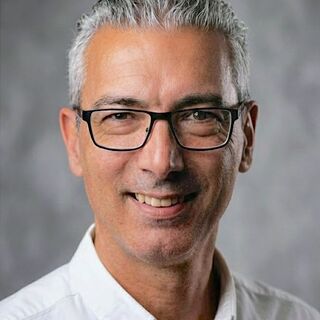
Portrait of Nektarios Siachos

Nektarios Siachos

Veterinarian, Assistant Professor of Ruminant Husbandry

Department of Agriculture, School of Geotechnical Sciences, International Hellenic University (IHU)

Role in the event

  • Scientific mentor

Thematic area

  • Livestock

Expertise

Ruminant husbandry, nutrition, health and welfare; precision livestock farming and digital monitoring systems; design of experiments and field studies.

  • Welfare
  • Nutrition
  • Precision livestock farming
  • Ruminants
  • Health

Short bio

Nektarios Siachos is an Assistant Professor of Ruminant Husbandry at the Department of Agriculture of the School of Geotechnical Sciences, International Hellenic University. He is a veterinarian, a graduate of the University of Thessaly, holds a master’s degree in Farm Animal Husbandry and Pathology and received his PhD from the School of Veterinary Medicine of the Aristotle University of Thessaloniki. His doctoral thesis studied protein balance and muscle tissue mobilisation during the transition period of dairy cows. He carried out postdoctoral research at the University of Liverpool (2022–2024), taking part in research projects to develop and evaluate precision agriculture and artificial intelligence systems for the automated monitoring of lameness and welfare in dairy cows. He then served as a Lecturer at the veterinary school of SRUC in Aberdeen (2024–2026). His research interests cover health and welfare management, applied nutrition and precision agriculture applications in ruminant farming.

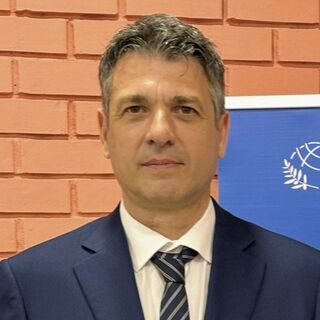
Portrait of Michalis Terzidis

Michalis Terzidis

Associate Professor

Laboratory of Chemical Biology, Department of Nutritional Sciences and Dietetics, International Hellenic University (IHU)

Role in the event

  • Scientific mentor

Thematic area

  • Food

Expertise

Organic chemistry, the synthesis and study of bioactive molecules, mechanisms related to biology, nutrition and health.

  • Biomolecular chemistry
  • Biomarkers
  • DNA damage
  • Biocatalysis

Short bio

His research focuses on organic chemistry, the synthesis and study of bioactive molecules and the investigation of mechanisms related to biology, nutrition and health. He has numerous original research publications and is an inventor on four patents arising from research in the R&D department of a pharmaceutical company. He has a strong interest in applying modern computational tools, such as AlphaFold, in research, as well as in innovation, entrepreneurship and the development of new research and technological applications.

Portrait of Zisis Tzikas

Zisis Tzikas

Veterinarian, Assistant Professor of Quality and Safety of Foods of Animal Origin

Department of Agriculture, School of Geotechnical Sciences, International Hellenic University (IHU)

Role in the event

  • Scientific mentor

Thematic area

  • Livestock

Expertise

Quality control, safety, and quality and safety management systems for foods of animal origin.

  • Foods of animal origin
  • Quality
  • Safety
  • Control
  • Management systems

Short bio

Dr Zisis Tzikas was born in Thessaloniki in 1970. He is a graduate of the School of Veterinary Medicine of AUTh, from which he also received his doctorate in 2008. In the 2022–2023 academic year he was appointed Assistant Professor at the Department of Agriculture of the School of Geotechnical Sciences, International Hellenic University. His subject is “Quality and Safety of Foods of Animal Origin”, and his main research concerns the preservation, safety and quality control of foods of animal origin. He has taken part in 7 research projects. His scientific publications include 17 papers in international scientific journals with more than 500 citations in the international literature. He worked on fixed-term contracts at the Supervision Department of ELGO-DIMITRA (2010, 2011). He has also worked as Lead Auditor for Food Safety Management Systems and Quality Management Systems.

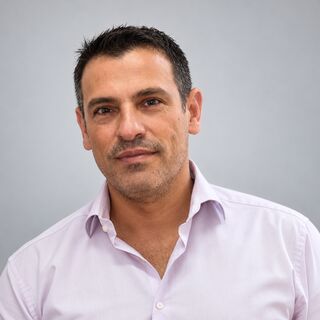
Portrait of Georgios Tzimagiorgis

Georgios Tzimagiorgis

Professor of Biochemistry, Director of the Laboratory of Biological Chemistry

School of Medicine, Aristotle University of Thessaloniki (AUTh)

Role in the event

  • Scientific mentor
  • Jury

Thematic area

  • Health

Expertise

Biochemistry, genomics, epigenetics, oncology, molecular biology.

  • Gene expression and regulation
  • Genomics/Epigenomics
  • Molecular cancer biology
  • Translational research

Short bio

Georgios Tzimagiorgis is a Professor of Biological Chemistry at the School of Medicine of the Aristotle University of Thessaloniki (AUTh) and Director of the Laboratory of Biological Chemistry.

He is also Director of the Inter-Departmental Postgraduate Programme “Precision Medicine – Translational Research and Therapeutics”, run by the Schools of Medicine and Pharmacy of the Faculty of Health Sciences of AUTh.

In addition, he coordinates the research group “Genomics and Epigenomics Translational Research” (GENeTres), based at the Center for Interdisciplinary Research and Innovation of AUTh (CIRI-AUTH).

Portrait of Panagiotis Zoumpoulakis

Panagiotis Zoumpoulakis

Professor

Department of Food Science and Technology, University of West Attica (UNIWA)

Role in the event

  • Scientific mentor

Expertise

Instrumental chemical analysis and computational chemistry.

  • Bioactive compounds
  • Dietary supplements
  • Metabolomics
  • Biomarkers

Short bio

Panagiotis Zoumpoulakis is a Professor at the Department of Food Science and Technology of the University of West Attica and Director of the Laboratory of Chemistry, Analysis and Design of Food Processes. He is a chemist, with a PhD in Chemistry from the University of Patras and an MBA from the Athens University of Economics and Business. He worked as a researcher at the National Hellenic Research Foundation (2008–2020). His research focuses on molecular design and bioanalysis, with an emphasis on the discovery of bioactive compounds and on the design and development of specialised nutritional products. He has published more than 170 scientific papers and has taken part in more than 30 funded research projects. He also has experience in technology transfer, the exploitation of research results and bioentrepreneurship, with particular emphasis on linking academic research with business innovation and on guiding interdisciplinary teams in developing and exploiting innovative applications in the life sciences.